Negroni
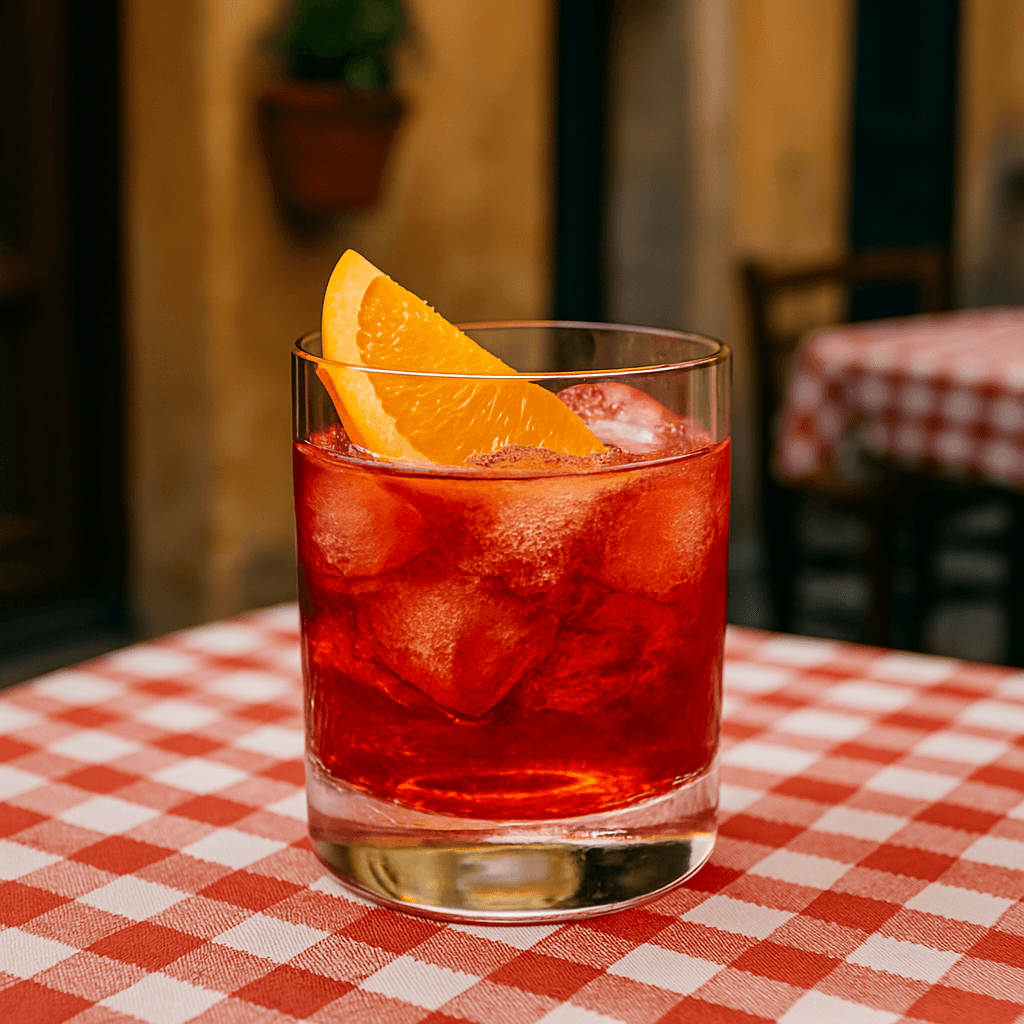
The perfect Italian aperitif with equal parts gin, Campari, and sweet vermouth. This bitter-sweet cocktail is a masterclass in balance, offering complex herbal notes with a beautiful ruby-red color that's as striking as its flavor.
Prep Time
1 min
Serves
1 person
Difficulty
Easy
Rating
4.6/5
Ingredients
Gin
1 ozLondon Dry gin preferred
Campari
1 ozItalian bitter aperitif
Sweet Vermouth
1 ozItalian sweet red vermouth
Orange Peel
For GarnishFresh orange peel twist
Instructions
Combine in Glass
Add gin, Campari, and sweet vermouth to a rocks glass filled with ice.
Stir Gently
Stir for 15-20 seconds to combine and chill the ingredients.
Express Orange Oils
Express the oils from an orange peel over the drink by twisting it.
Garnish and Serve
Drop the orange peel into the glass and serve immediately.
The Story Behind the Negroni
The Negroni was born in 1919 at Caffè Casoni in Florence, Italy, when Count Camillo Negroni asked bartender Fosco Scarselli to strengthen his favorite Americano cocktail by replacing the soda water with gin. This simple substitution created one of the world's most beloved aperitifs.
What makes the Negroni extraordinary is its perfect trinity of equal parts - gin, Campari, and sweet vermouth. This 1:1:1 ratio creates a harmonious balance between the botanical complexity of gin, the bitter herbal notes of Campari, and the sweet, wine-forward character of vermouth.
Today, the Negroni has become a symbol of Italian aperitivo culture and sophisticated drinking worldwide. Its bitter-sweet profile has inspired countless variations, but the original recipe remains a testament to the beauty of simplicity and balance in cocktail making.
Pro Tips
Use equal parts for perfect balance - the 1:1:1 ratio is sacred
Quality ingredients matter - invest in good gin and vermouth
Stir, don't shake - preserve the drink's silky texture
Express orange oils generously for aromatic complexity
Serve over one large ice cube to minimize dilution